You want a Gold Coast condo that holds its value, fits your lifestyle, and does not surprise you with avoidable costs. If you think in frameworks and want to understand the levers that really move risk and return, you are in the right place. In this guide, you will learn how to compare buildings, read association and financing signals, and model your true monthly cost with discipline. Let’s dive in.
Gold Coast context and today’s snapshot
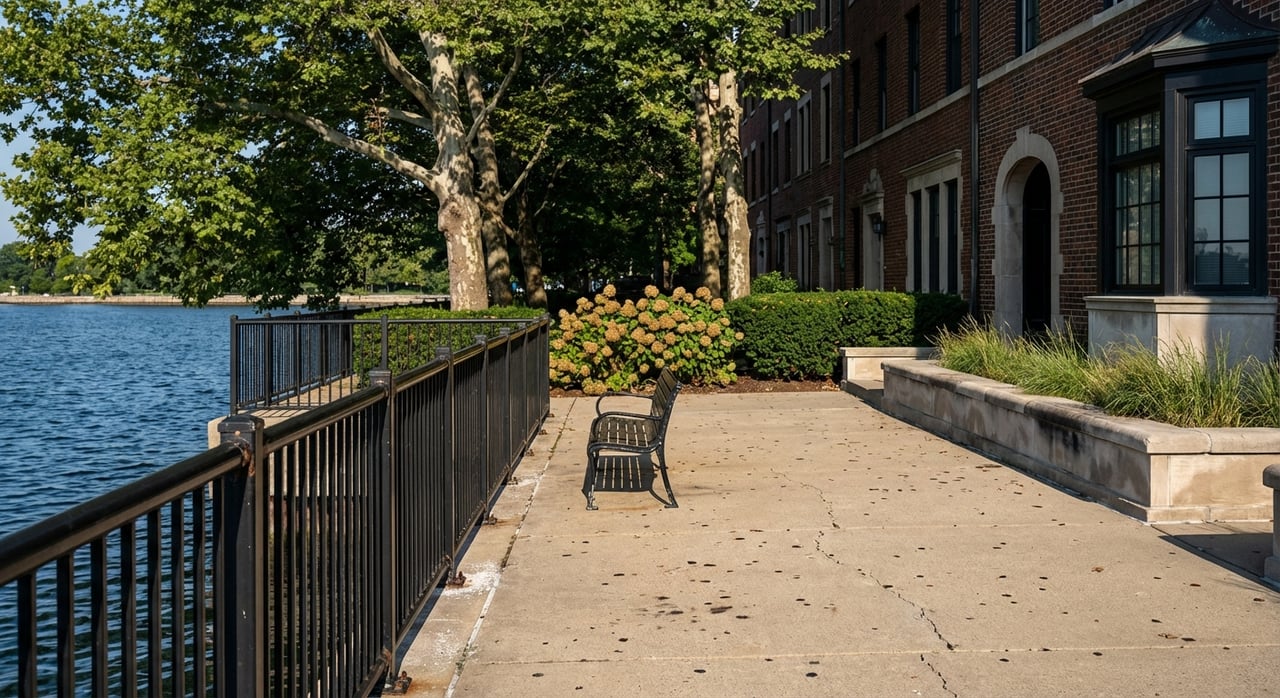
The Gold Coast sits on Chicago’s Near North Side, with the historic district commonly framed by North Avenue, Lake Shore Drive, Oak Street, and Clark Street. That puts you near Oak Street Beach, the Magnificent Mile, Washington Square Park, and the historic Astor Street corridor. For background on the area’s character and boundaries, review the Gold Coast Historic District overview.
Market conditions can shift quickly here compared with suburban single family markets. As of January 2026, Redfin reported a Gold Coast median sold price of roughly $499,000, down about 20.2% year over year. Expect variation by building type and amenity level, and plan your pricing and negotiation strategy around building-level comps, reserves, and financing eligibility.
Choose your building type strategically
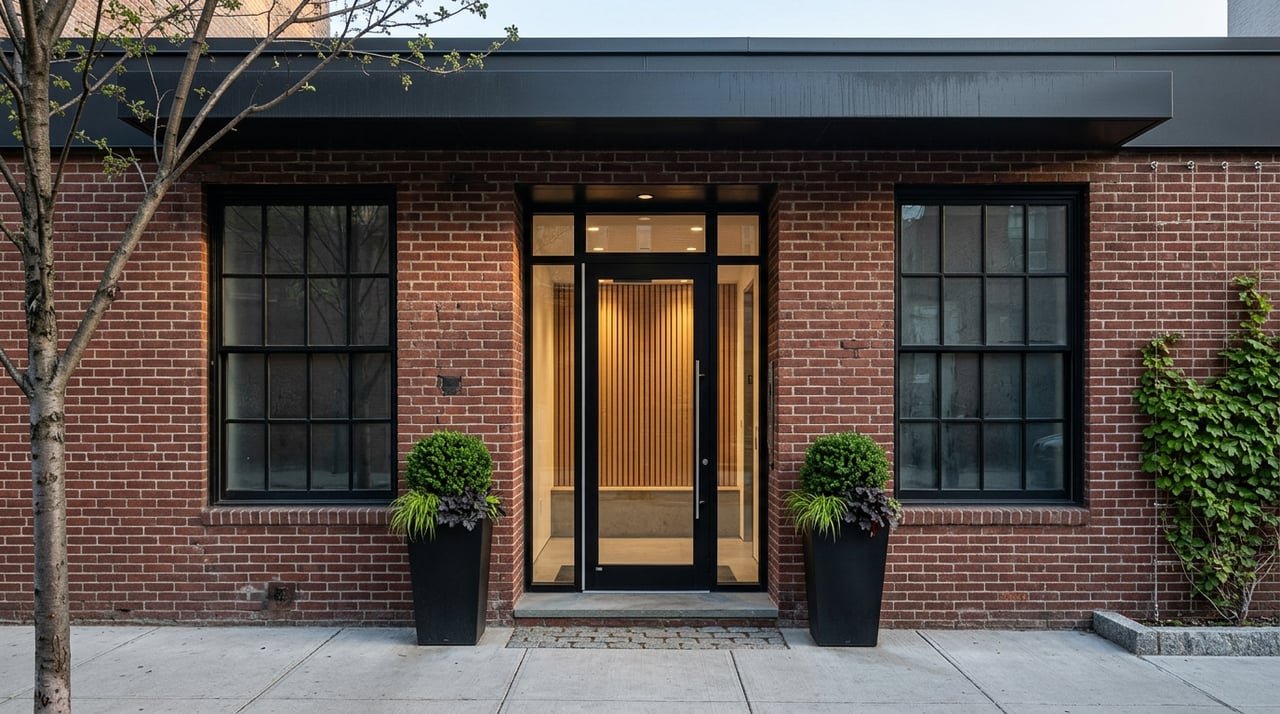
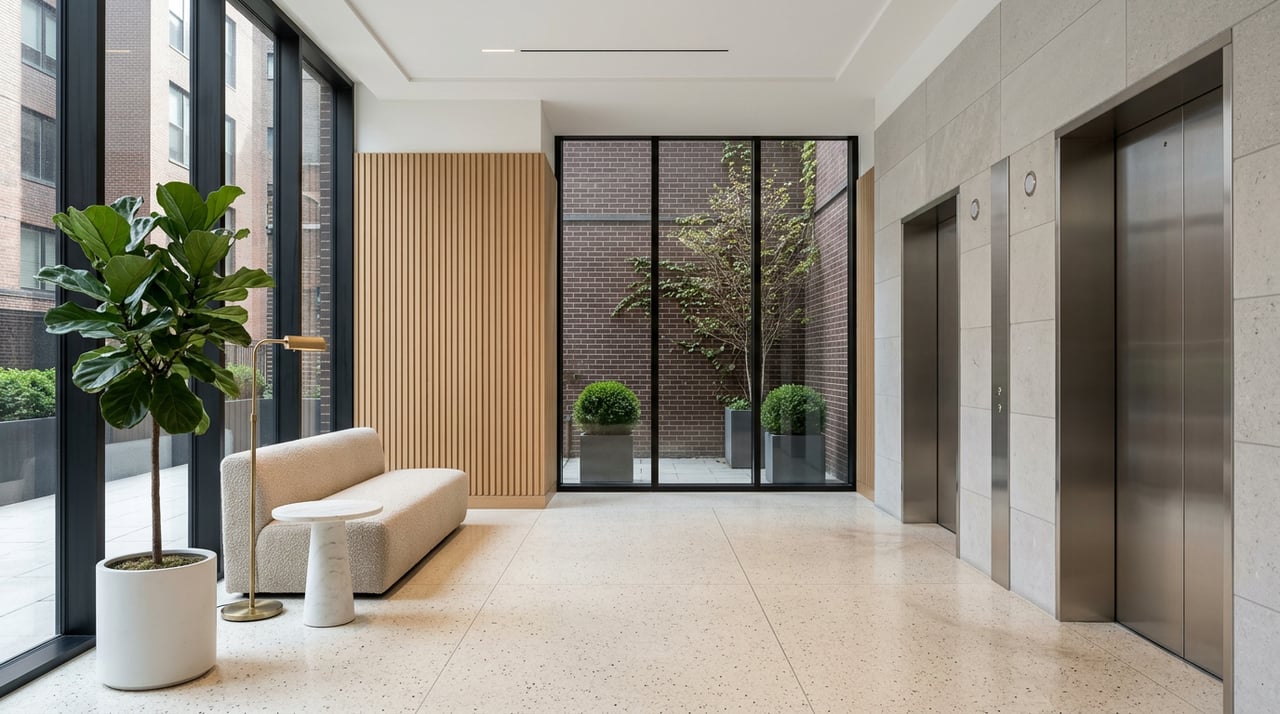
Gold Coast condos span luxury lakefront towers, mid‑century and post‑war buildings, and small vintage conversions near Astor Street. Older masonry buildings often face recurring façade and tuckpointing needs. Newer curtain‑wall towers carry different risks around glazing, waterproofing, HVAC, and elevator modernization.
Practical takeaway: look past finishes and compare the building’s capital history and reserve funding. In a vintage building, a healthy façade and roof plan matters. In a glass tower, window systems, water intrusion controls, and elevator modernization history are critical. The risk profile should show up in dues, reserves, and recent project minutes.
Know your protections under Illinois law
Illinois law gives you structured visibility on resale. Under Section 22.1 of the Illinois Condominium Property Act, the seller or association must provide key documents, including the declaration, bylaws, rules, a statement of accounts and liens, anticipated capital expenditures for the current and next two fiscal years, the reserve status, and the most recent financials. Buyers have rescission rights if required disclosures are not provided. Review the statute text for scope and timing in 765 ILCS 605/22.1.
In practice, you will receive a 22.1 resale packet. Delivery can be slow, and fees vary by manager. Request it at contract acceptance and have counsel confirm it includes reserves, insurance declarations, any litigation, and a list of recent and planned special assessments. CAI‑Illinois explains common 22.1 pitfalls and buyer expectations in its association disclosure primer.
Keep an eye on legislative updates. In 2025, bills under discussion would require reserve studies every five years for many associations, which would increase transparency around future capital needs. For context, see this update on proposed Illinois reserve study legislation.
Financing rules that shape value and resale
A condo purchase is about the building as much as the unit. Conventional lenders rely on Fannie Mae and Freddie Mac project standards. If a building is non‑warrantable, many buyers will need cash or portfolio loans, which narrows the buyer pool and can affect pricing. Review Fannie Mae’s project standards overview in the Selling Guide.
Common project red flags that can block conventional financing include high commercial square footage, a high percentage of leased units, single‑entity ownership concentration, inadequate reserves, major unresolved repairs, and pending litigation. Before you offer, ask the association to answer a lender questionnaire that covers owner‑occupancy, budget reserves, assessment delinquencies, capital plans, litigation, and commercial space. If the building has FHA approval, that can help first‑time buyers who need lower down payments. Confirm program status for your target building during diligence.
Model your true monthly cost
Your HOA fee is only part of the picture. In Gold Coast buildings, dues may include building insurance, common area maintenance, water, heat, snow removal, staff, management, amenities, and reserve contributions. Read the budget line by line and match it to what you value.
Reserves and special assessments are the swing factors. A current reserve study is one of the best indicators of near‑term assessment risk. If no study exists or reserves look thin relative to the building’s age and systems, price in a conservative buffer for potential projects. Track Illinois rulemaking about reserve studies to calibrate your expectations on disclosures and planning.
Insurance structure matters. The association’s master policy and deductible can drive owner exposure after a loss. Your unit policy (HO‑6) should include adequate loss‑assessment coverage so you are protected if the association levies assessments to cover a large deductible or an uncovered portion of a claim. For a practical explainer, review loss‑assessment coverage basics.
Inspect the building, not just the unit
Focus diligence on high‑impact capital items: façade and tuckpointing, roofs, windows and glazing, elevator modernization, boilers and central heat, plumbing stacks in older buildings, garage structure, and lower‑level waterproofing. Recent Chicago projects show how façade scopes can scale and why reserves matter; see examples in this façade project portfolio.
Check public records for permits and violations to verify the story you hear in showings and board minutes. You can scan recent work and outstanding issues using the Chicago Cityscape permit browser. A string of large permits is not a negative by itself. The concern is unfunded or partially completed work.
Red flags to watch:
- Low or no reserves with a large announced project and no funding plan.
- Active or threatened litigation with unclear exposure.
- Repeated façade or roof permits with unpaid balances or conditional completions.
- Master insurance with an unusually high deductible relative to owner coverage norms.
- Hotel‑style operations, mandatory rental pooling, or large commercial footprints that could limit conventional financing.
Parking, storage, and amenity tradeoffs
In downtown Chicago, parking type affects both use and resale. Deeded parking transfers with title and may have its own property tax bill. Assigned or leased parking is controlled by the association and can change under the rules. Confirm what you are actually buying, which fees apply, and how that maps to comps. For definitions and title considerations, review this guide on deeded vs. assigned vs. leased parking.
Amenities drive dues. Doorman service, on‑site management, gyms, pools, valet, and rooftops increase operating costs and potential capital work. If you will not use a feature, consider how much of your monthly fee supports it. Storage lockers and bike rooms can be deeded, assigned, or on a waitlist. These details can be subtle value drivers in resale.
A comparison checklist you can use
Use this structured checklist for each building you are considering. Pull the data from the 22.1 package, board minutes, lender questionnaire, and public records.
- Building basics: year built and last major renovation, total units and stories, unit mix, number and type of garage spaces.
- Governance: declaration and bylaws version, management company, board composition and turnover, developer ownership, rental caps, short‑term rental rules and any city‑level restrictions.
- Finance and liquidity: monthly fee and what it includes, percent of budget to reserves, most recent reserve study date and percent funded, assessment delinquency rate, any current special assessments with amount and payment plan.
- Projects and permits: major projects in the last five years, funding status, recent permit numbers and contractors, outstanding building violations.
- Insurance and risk: master policy type and deductible, fidelity coverage, and whether your HO‑6 limits match the building’s deductible exposure.
- Lending and marketability: owner‑occupancy percentage, investor concentration, commercial or retail square footage.
- Use and approvals: board application process and fees, required interview, move‑in and move‑out fees and elevator scheduling, pet policy.
- Amenities and services: doorman, gym, rooftop, party room, storage, bike room, any one‑time or recurring amenity fees.
- Practical friction points: estoppel or resale package fees and turnaround times, typical closing timeline in the building.
Resale positioning and buyer personas
Before you buy, decide who your future buyer is most likely to be.
- Owner‑occupant: Values location, lake access, and everyday services. Building stability, owner‑occupancy, and reserves are key.
- Investor: Prioritizes rental rules, rentability, and maintenance predictability. Short‑term rental prohibitions or caps will shape returns.
- Second‑home buyer: Prefers turnkey, strong amenities, and low perceived hassle. Staffing and amenity quality matter, but so do reserves and insurance.
Quantify the monthly carry with a stress test. Combine mortgage, property tax, HOA dues, a conservative special assessment reserve, and insurance. For how condos are assessed in Cook County, review the Assessor’s condo guidance. If your target building fails agency eligibility, expect a different buyer pool and potentially higher down payment needs. For criteria that affect eligibility, see Fannie Mae’s project standards overview.
How I help analytical buyers win
You get a risk‑managed, data‑informed process. I request the 22.1 package early, map it to a building comparison checklist, and surface the items that change your total cost of ownership. I coordinate a lender questionnaire to flag warrantability and reserve health, and I check permits and minutes to confirm project timing. Then we structure an offer that fits both the market and the building’s profile.
If you want a Gold Coast condo that makes sense on paper and in daily life, let’s connect. I will help you narrow the field to buildings that fit your strategy and negotiate with clarity. Start with a quick consult through Georgia Litle.
FAQs
What should I look for in a Gold Coast condo’s 22.1 resale package?
- Confirm full bylaws and rules, current budget and financials, reserves and reserve study, planned capital expenditures, insurance declarations and deductibles, litigation status, special assessments, and assessment delinquencies.
How do I know if a building is warrantable for conventional loans?
- Ask for the lender questionnaire and compare to Fannie Mae standards, focusing on owner‑occupancy, reserves, commercial space, litigation, and any critical repairs that could block eligibility.
Which building systems create the biggest surprise costs in Chicago high‑rises?
- Façade and tuckpointing, windows and glazing, roofs, elevator modernization, central boilers, older plumbing stacks, garage structure, and lower‑level waterproofing.
How should I budget for special assessments in older buildings?
- Use the reserve study and project minutes to gauge upcoming work, then add a conservative monthly buffer to your model if reserves appear thin or a major project is imminent.
Does deeded parking matter for resale value in the Gold Coast?
- Yes. Deeded spaces transfer with title and often carry a premium and separate taxes, while assigned or leased spaces are controlled by the HOA and can change under building rules.
What insurance should I carry as a condo owner?
- Maintain an HO‑6 policy with sufficient loss‑assessment coverage to align with the building’s master deductible and your share of potential association assessments after a covered loss.